

Umar
August 27, 2025
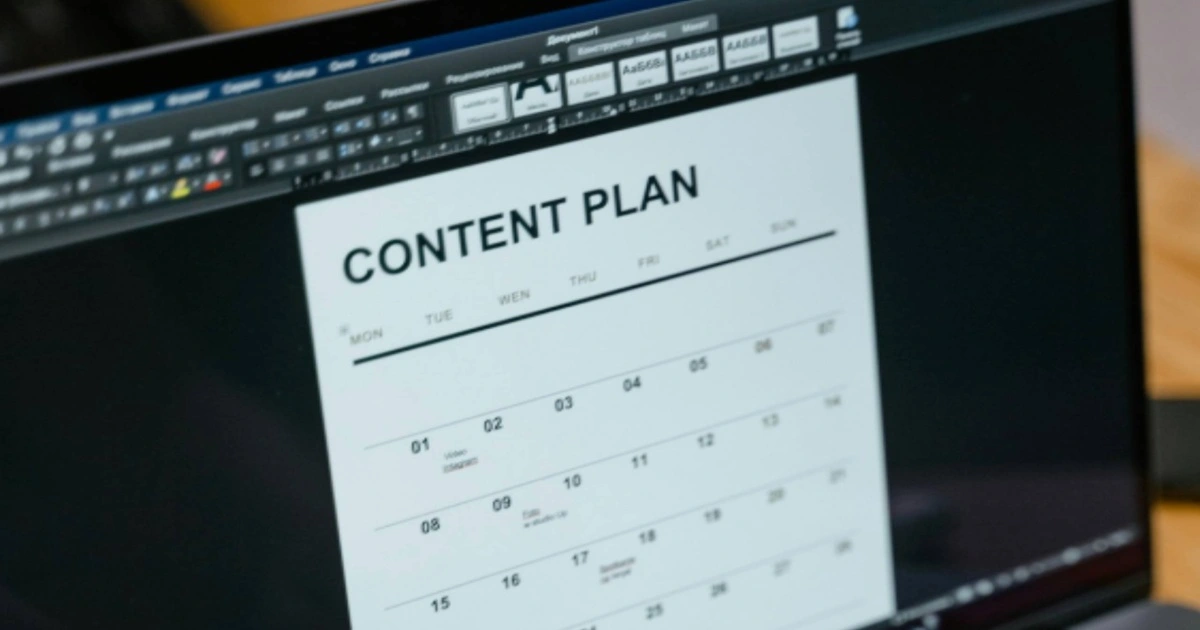
A content calendar is more than just a list of dates with posts attached to them. Think of it as the backbone of your marketing calendar. It organizes your blog posts, social updates, newsletters, and campaigns into a single roadmap.
When I first Googled “what is a content calendar,” I was overwhelmed by fancy templates and tools. But I soon realized that a content calendar doesn’t have to be complicated—it’s simply a system that lets you see your strategy in action. It helps you avoid last-minute scrambles, ensures consistency, and gives you space to plan ahead with creativity.
Most importantly, a good content calendar allows for smarter content planning. Instead of guessing, you’re aligning your efforts with business goals. And trust me, once you start, you’ll never go back to random posting again.
Every winning content calendar begins with clarity. Early in my career, I made the mistake of publishing content just to stay “active.” The result? Engagement was low and conversions were worse. That’s when I learned that your calendar must serve your goals, not just your schedule.
Ask yourself:
Do you want to increase brand awareness?
Are you focused on generating leads?
Or is your main aim nurturing existing customers?
For instance, one of my clients, a clothing brand, used their content calendar to align with seasonal promotions. Every piece of content was tied to an upcoming product launch. That alignment turned scattered content into a consistent narrative, which doubled their online engagement in three months.
So, before you start filling out dates, map out your objectives. It’s the first step toward strategic content planning.
When I started my first content calendar, I made the mistake of trying to be everywhere—Facebook, LinkedIn, Instagram, YouTube, and blogs all at once. It quickly became overwhelming.
The truth? You don’t need to be everywhere; you just need to be where your audience actually spends time. That’s where content planning comes in handy.
For example, if you’re in B2B, LinkedIn and long-form blog posts might be your winning combination. If you’re in fashion or lifestyle, Instagram Reels and Pinterest might drive more results. The content calendar gives you visibility to match the right message with the right platform.
I now always ask myself: What content format works best for this channel, and how can I repurpose it? One blog post can turn into three LinkedIn updates, an infographic, and even a newsletter. That’s how a smart marketing calendar works—it maximizes effort while reducing duplication.

Consistency beats intensity. I remember when I first created my content calendar, I ambitiously planned to post every single day across multiple channels. Two weeks later, I was burned out.
That’s when I learned: your publishing schedule should be realistic, not idealistic.
Start small—maybe two blog posts a month, three Instagram posts a week, and one email every 10 days. Over time, as your workflow improves, scale up. The best part of a content calendar is that it visually shows whether your plan is practical.
This is also where content planning saves the day. If you see gaps in your marketing calendar, you can plug them with evergreen content or repurposed posts, rather than scrambling last minute.
A lesson I learned from Neil Patel’s approach is this: always have backup content ready. Your content calendar shouldn’t just track live posts—it should also hold a library of ideas, drafts, and evergreen content.
For instance, I keep a Google Sheet where I list blog topic ideas, campaign concepts, and repurposing opportunities. When life happens (and it always does), this repository ensures I never run out of things to publish.
Think of it as your safety net. When your marketing calendar feels overwhelming, your repository keeps the flow steady.
If you’re working solo, content planning is fairly straightforward. But if you’re part of a team—designers, writers, social media managers—then collaboration is non-negotiable.
In one of my projects with an interior design company, we used a shared Trello board as our Content Calendar. Writers uploaded drafts, designers attached graphics, and I scheduled posts. The transparency eliminated endless back-and-forth emails.
The magic of a good marketing calendar lies in visibility. Everyone knows deadlines, responsibilities, and campaign timelines. That’s what keeps content flowing smoothly.
Here’s a truth I learned the hard way: your Content Calendar isn’t a one-time setup. It’s a living document.
Once your posts go live, track their performance. Are blogs driving organic traffic? Are Instagram posts increasing engagement? Is your email open rate improving?
For example, in my early days, I noticed that my Wednesday blog posts performed better than my Monday ones. So I adjusted my calendar accordingly. Small insights like these can transform your marketing calendar into a powerful optimization tool.
Without tracking, your calendar is just a schedule. With tracking, it becomes a strategy.
Ironically, the biggest benefit of a structured Content Calendar is the freedom it gives you. Because you already have content planned and scheduled, you’re free to experiment.
I remember during a trending news story, I quickly created a meme-style post that wasn’t in my original plan. Because my core calendar was handled, I had the flexibility to jump on the trend. That post ended up being one of my best performers.
The lesson? Your content calendar should guide you, not restrict you. Use it to maintain consistency, but don’t be afraid to inject creativity along the way.
When I look back, building a Content Calendar has been one of the simplest yet most powerful changes in my marketing journey. It turned chaos into clarity, stress into strategy, and random posts into a cohesive story.
Whether you’re a solopreneur or part of a larger team, these seven steps give you a blueprint. Define goals, choose channels wisely, build a realistic schedule, keep a repository, collaborate, track, and stay flexible.
The beauty of a content calendar lies in how it blends structure with creativity. It’s not just about filling dates—it’s about shaping a brand narrative that grows steadily over time.
And trust me, once you experience the difference, you’ll never ask “what is a content calendar?” again. Instead, you’ll be saying, “Thank goodness I have one.”
A content calendar is a schedule that helps you plan, organize, and publish content across your marketing channels. It’s like a marketing calendar that keeps everything aligned—from blogs to social media.
A marketing calendar is broader—it covers campaigns, events, promotions, and launches. A content calendar is a part of it, focusing specifically on content planning and publishing. Together, they create a complete strategy.
You can start simple with Google Sheets or Trello. As you grow, tools like Notion, Asana, or CoSchedule make collaboration and scheduling even easier.
I recommend at least one month in advance. Personally, I plan quarterly for big campaigns but leave space for last-minute trends.
Absolutely. In my experience, once I moved from random posting to structured scheduling, engagement almost doubled within months. Consistency is what audiences value.
ot at all. In fact, small businesses benefit even more. A bakery posting weekly specials or a freelancer showcasing their work both need content calendars to stay consistent and professional.
 in India
Pingback: Do Your Own SEO - 10 Quick Hacks To Grow Your Business
Pingback: Here's How To Do a Social Media Audit In 30 Mins or Less